The Best Gluten-Free Flour Substitutes for Every Situation
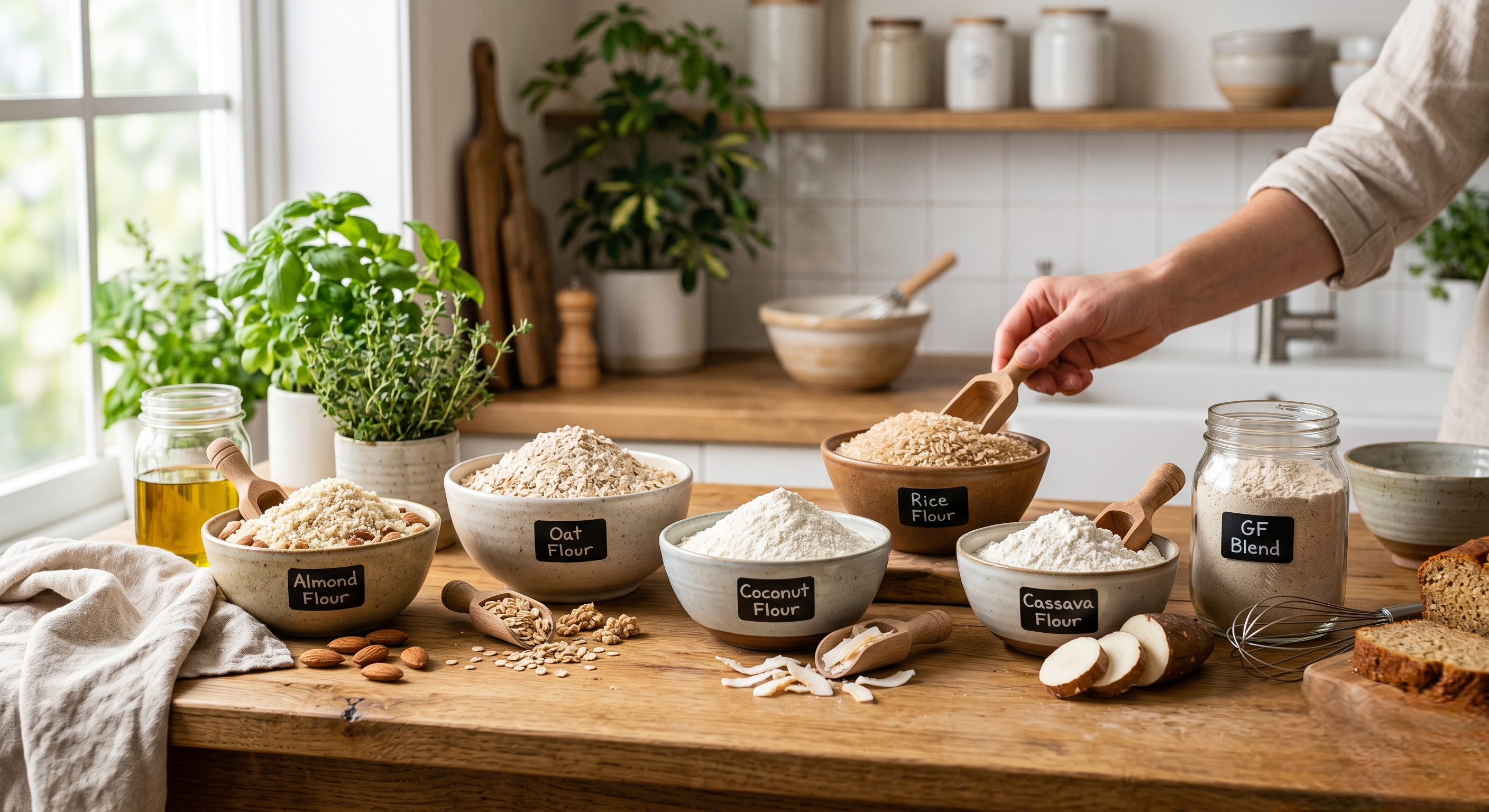
Living with celiac disease or gluten sensitivity changes the way you bake, thicken sauces, and breading chicken cutlets. Wheat flour does a lot of structural work in cooking, and no single gluten-free flour replicates all of it. The good news: with the right substitute matched to the right job, you can recreate almost any dish without sacrificing texture or flavor. According to the Celiac Disease Foundation, roughly 1 in 100 people worldwide has celiac disease, and many more avoid gluten for non-celiac sensitivity, so the demand for reliable flour swaps has driven a wave of well-tested options now sitting on grocery shelves.
Why One-to-One Swaps Rarely Work
Wheat flour contains gluten, a protein network that traps gas, gives bread its chew, and binds batters together. When you remove gluten, you also remove that scaffolding. Research summarized by the National Library of Medicine shows that gluten-free flours behave differently in hydration, starch gelatinization, and crumb structure compared with wheat. That is why a cup-for-cup swap of almond flour into a yeast bread recipe produces a dense, crumbly brick. Successful gluten-free baking usually combines two or three flours plus a binder like xanthan gum, psyllium husk, or eggs to mimic gluten's elasticity.
The Mayo Clinic notes that people with celiac disease must also watch for cross-contamination, so any flour you buy should carry a certified gluten-free label, even naturally gluten-free options like oat flour or buckwheat. Shared milling equipment is a common source of trace gluten, and even small amounts can trigger intestinal damage in someone with celiac disease.
The Best All-Purpose Blends for Everyday Baking
If you want one bag in the pantry that handles cookies, muffins, pancakes, and quick breads, reach for a measure-for-measure all-purpose blend. Bob's Red Mill 1-to-1, King Arthur Measure for Measure, and Cup4Cup are the three most consistent performers in home kitchens. They combine rice flour, starches like tapioca and potato, and a binding gum so you can swap them directly into most non-yeasted recipes. For yeast breads, you usually need a dedicated bread blend with extra protein and a stronger binder.
Almond Flour
Almond flour brings moisture, fat, and a tender crumb. It shines in cookies, financiers, macarons, and grain-free pancakes. Because it lacks starch, it cannot stand alone in cakes that need to rise tall, but it pairs beautifully with a starch like tapioca. Almond flour also adds about 6 grams of protein per quarter cup, a useful boost since gluten-free diets often run low in fiber and protein according to NIDDK dietary guidance.
Oat Flour
Certified gluten-free oat flour gives baked goods a soft, slightly sweet crumb and works well in muffins, pancakes, and cookies. Oats contain beta-glucan, a soluble fiber linked to lower LDL cholesterol in studies indexed by PubMed. Always confirm the label says "certified gluten-free" since standard oats are frequently contaminated during harvest and milling.
Buckwheat Flour
Despite the name, buckwheat is not related to wheat. It is a seed with an earthy, nutty flavor that works in pancakes, soba-style noodles, and rustic crepes. Buckwheat carries a complete amino acid profile and a generous dose of magnesium, making it one of the more nutritious gluten-free options.
Best Substitutes for Thickening Sauces and Gravies
Wheat flour thickens by swelling its starch granules when heated in liquid. You can get the same effect, often with better clarity and a glossier finish, from cornstarch, arrowroot, or tapioca starch. Use about half as much cornstarch as you would flour, whisk it into cold liquid first to avoid lumps, and bring the sauce just to a simmer. Arrowroot tolerates acidic ingredients like lemon juice and tomato better than cornstarch, while tapioca holds up well in fruit pies because it stays clear and glossy after cooling. For gravies that need a roux base, a 50-50 blend of sweet rice flour and cornstarch cooked in butter produces a silky result that is hard to distinguish from the wheat-based original. If you want tested recipes that put these techniques to work, you can explore gluten-free recipes at GF Cooking.
Best Substitutes for Breading and Frying
Crispy fried chicken, schnitzel, and tempura all rely on flour to grip the meat and crisp in hot oil. Rice flour, especially white rice flour, fries up shatter-crisp and stays crisp longer than wheat flour because it absorbs less oil. A blend of rice flour and cornstarch, about 70-30, mimics the airy crunch of classic tempura batter. For a heartier breading, crushed gluten-free cornflakes or certified gluten-free panko-style crumbs from brands like Aleia's or Ian's give you the same shaggy crust you remember from breaded cutlets.
Best Substitutes for Yeast Breads and Pizza
Yeast bread is the hardest category to replicate, which is why dedicated bread flour blends exist. Look for blends built around brown rice flour, sorghum, millet, and tapioca, with psyllium husk powder as the binder. Psyllium creates a stretchy, dough-like texture that handles shaping, scoring, and oven spring far better than xanthan alone. A 2019 study in the Journal of Cereal Science found that psyllium-enriched gluten-free bread produced loaf volumes and crumb structures closer to wheat bread than any single gum tested. For pizza, a blend of tapioca starch, rice flour, and a touch of cheese powder produces a chewy crust that holds toppings without falling apart.
Best Substitutes for Pasta and Noodles
Commercial gluten-free pasta has improved dramatically in the past decade. Brown rice pasta from Jovial and Tinkyada cooks up al dente without turning gummy, while chickpea and lentil pastas like Banza pack 20 grams of protein per serving. For homemade pasta, a mix of fine rice flour, tapioca starch, and eggs produces a workable dough, though it benefits from a 30-minute rest to fully hydrate. Asian rice noodles, soba made from 100% buckwheat, and shirataki noodles all give you naturally gluten-free options for stir-fries and soups, just check the label since some soba blends include wheat.
Storage and Shelf Life
Most gluten-free flours, especially those made from nuts, seeds, or whole grains, contain natural oils that can turn rancid at room temperature. Almond flour, coconut flour, and brown rice flour belong in the refrigerator or freezer, where they keep for six months to a year. Starches like tapioca, cornstarch, and potato starch are shelf-stable for two years in a sealed container. A rancid flour smells sour or like crayons and will ruin whatever you bake with it, so trust your nose before measuring.
Key Takeaways
- No single flour replaces wheat. Match the substitute to the job: starches for thickening, rice flour for frying, blends with psyllium for bread.
- Always buy certified gluten-free. Cross-contamination during milling is the most common hidden source of gluten exposure for people with celiac disease.
- Use a measure-for-measure blend like Bob's Red Mill 1-to-1 or King Arthur Measure for Measure as your default for cookies, muffins, and quick breads.
- Refrigerate or freeze nut and whole-grain flours to prevent rancidity, which can develop in as little as a few months at room temperature.
- Boost nutrition by working in higher-protein options like almond, buckwheat, sorghum, or chickpea flour, since gluten-free diets often fall short on fiber and protein per NIDDK guidance.


Comments
Post a Comment