Best Gluten-Free Bread Brands: Taste-Tested and Ranked
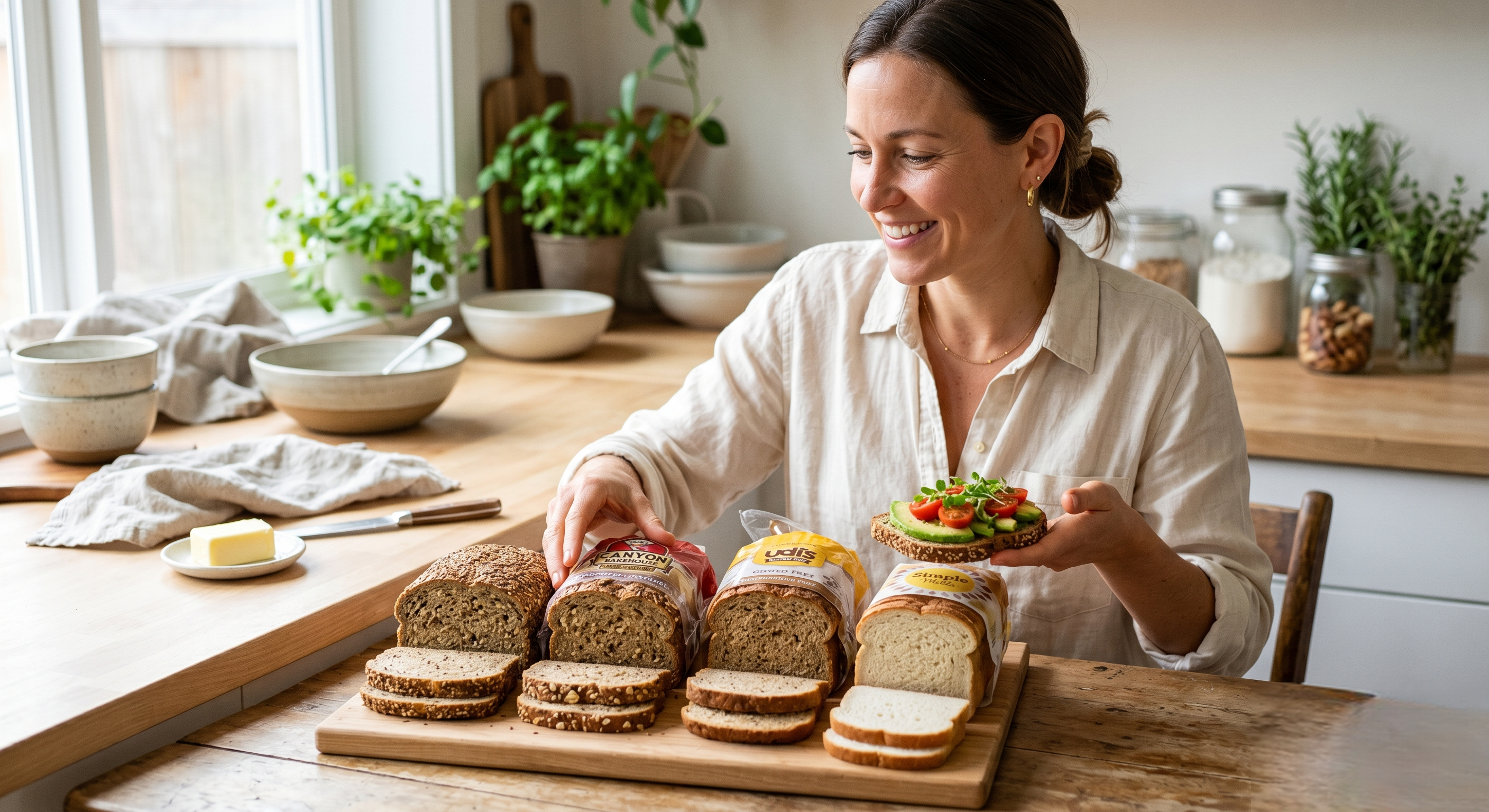
Finding a loaf of gluten-free bread that actually tastes like bread—soft, sliceable, and not crumbling into sad little pebbles the moment it leaves the bag—has historically been one of the great frustrations of celiac life. The good news is that the category has matured dramatically in the past decade, driven by better starches, improved hydrocolloid science, and a growing consumer base. According to the Celiac Disease Foundation (celiac.org), roughly 1 in 100 people worldwide has celiac disease, and many more follow a gluten-free diet for non-celiac gluten sensitivity, creating real market pressure for higher-quality bread. We taste-tested the most widely available certified gluten-free bread brands across texture, flavor, sandwich performance, and toast behavior—and ranked them honestly.
How We Taste-Tested These Breads
Our methodology combined sensory evaluation with practical kitchen reality. Each loaf was scored fresh from the package, after toasting, and after a standard turkey-and-cheese sandwich build to test structural integrity. We also tracked crumb density, aroma, aftertaste, and how each bread behaved after thawing—because nearly every gluten-free bread on the market is sold frozen or recommends freezing, and this matters enormously for daily use. Per Mayo Clinic guidance, people with celiac disease must consume bread that is certified gluten-free to under 20 parts per million (ppm), so every brand we included carries either GFCO (Gluten-Free Certification Organization) or NSF certification. Cross-contact remains the leading hidden risk in shared facilities, which is why third-party certification—not just a label claim—is the standard we used as our cutoff.
What Makes Gluten-Free Bread Difficult
Gluten is the protein network that gives wheat bread its stretch, rise, and chew. Replacing it requires a careful blend of starches (often tapioca, potato, and rice), proteins (egg, pea, or soy), and binders like xanthan gum or psyllium husk. Research published in PubMed-indexed journals (including Foods, 2021) has shown that psyllium husk produces a more bread-like crumb than xanthan alone because it forms a more elastic hydrogel during baking. This is why the better brands on our list lean on psyllium or sourdough fermentation rather than relying solely on gums—and why their slices hold up to a knife instead of disintegrating.
The Top-Ranked Gluten-Free Bread Brands
1. Canyon Bakehouse — Best Overall
Canyon Bakehouse Heritage Style consistently topped our blind tasting. The crumb is soft but structured, the flavor is genuinely yeasty rather than starchy, and it makes a sandwich that survives a lunchbox. It's certified by GFCO, dairy-free, nut-free, and produced in a dedicated gluten-free facility, which matters for highly sensitive celiacs. The Heritage Style and 7-Grain varieties are the most wheat-bread-like; the Mountain White is a milder option for kids. Crucially, it does not require toasting to taste good—a rare feat in this category.
2. Schär Artisan Baker Multigrain — Best for Sandwiches
Schär is a European brand that has been making gluten-free products since 1981, and the experience shows. Their Artisan Baker Multigrain holds together beautifully for cold sandwiches and has a slightly tangy, sourdough-adjacent flavor. It's shelf-stable until opened, which is a logistical win compared to frozen-only competitors. Schär is certified gluten-free and produced in dedicated facilities. The trade-off is that it can feel slightly dense compared to Canyon Bakehouse, but the flavor depth makes it our pick for anyone who eats lunch out of a bag.
3. Little Northern Bakehouse — Best Allergen-Friendly Option
For households juggling multiple allergies, Little Northern Bakehouse is the standout. Every loaf is certified gluten-free, vegan, and free from the top common allergens including dairy, egg, soy, and nuts. The Seeds & Grains and Millet & Chia varieties have a hearty, nutty flavor and toast exceptionally well. The crumb is slightly more open than Canyon Bakehouse, which means it does best when toasted or used for hot sandwiches and grilled cheese rather than cold deli stacks.
3. Udi's — Best Widely Available
Udi's is the bread you'll find in nearly every U.S. supermarket, and while it's no longer the category leader, it remains a reliable everyday option. The Whole Grain and Omega Flax & Fiber loaves toast well and have a neutral flavor that works for both sweet and savory uses. Slices are smaller than wheat bread, which is a common complaint, but the consistency is dependable. Udi's is GFCO-certified.
5. Bread SRSLY — Best Sourdough
If you miss real sourdough, Bread SRSLY's Classic Sourdough is the closest thing on the market. It's made with a long natural fermentation, which according to NIDDK research on digestion may make starches easier to tolerate for some people with sensitive guts (note: it is not safe for celiac disease unless certified gluten-free, which Bread SRSLY is). The flavor is genuinely sour, the crust crackles, and it's the only bread on this list we'd happily eat plain with butter. It ships frozen direct-to-consumer and is on the pricier end.
Storage, Toasting, and Getting the Best from Your Loaf
Almost every gluten-free bread benefits from being stored frozen and toasted before eating. The starches in gluten-free bread retrograde (firm up) faster than wheat bread because they lack the gluten network that traps moisture, which is why a loaf left at room temperature for three days becomes a brick. Slice the loaf, freeze it flat in a zip bag, and pull individual slices straight into the toaster—no thawing needed. For sandwiches that won't be toasted, let slices come to room temperature in a sealed container for 20 minutes; this restores the soft texture without drying the bread out.
If you want to go beyond store-bought, you can bake your own with surprisingly good results using psyllium husk and a dutch oven—you can explore gluten-free recipes at GF Cooking for tested loaves, including a no-knead sandwich bread that rivals Canyon Bakehouse for a fraction of the cost. Homemade also lets you control sodium and fiber content, which is worth noting because commercial gluten-free breads tend to be lower in fiber and higher in refined starches than their wheat counterparts.
A Note on Nutrition
Gluten-free does not automatically mean healthier. The Celiac Disease Foundation and multiple PubMed-indexed reviews have flagged that the gluten-free diet, when based on packaged products, can be lower in fiber, iron, folate, and B vitamins than a typical wheat-based diet. Look for breads listing whole-grain flours like sorghum, teff, brown rice, or millet near the top of the ingredient list, and aim for at least 2–3 grams of fiber per slice. Canyon Bakehouse 7-Grain, Little Northern Bakehouse Seeds & Grains, and Schär Multigrain all meet that bar; many "white" gluten-free breads do not.
Key Takeaways
- Canyon Bakehouse Heritage Style is our overall winner for taste, texture, and sandwich performance—and it doesn't require toasting to be enjoyable.
- Always look for third-party gluten-free certification (GFCO or NSF) rather than relying on package claims, especially if you have celiac disease, since the FDA's 20 ppm threshold is verified by these programs.
- Freeze your bread immediately and toast slices straight from frozen—gluten-free starches stale far faster than wheat, and freezing is the single biggest texture upgrade you can make.
- Choose whole-grain varieties with sorghum, teff, millet, or brown rice near the top of the ingredient list to compensate for the fiber and micronutrient gaps common in gluten-free diets.
- Consider baking your own with psyllium-husk-based recipes for better flavor, lower cost, and more control over nutrition than most packaged options provide.

Comments
Post a Comment