Naturally Gluten-Free Grains: Quinoa, Millet, Buckwheat, Teff
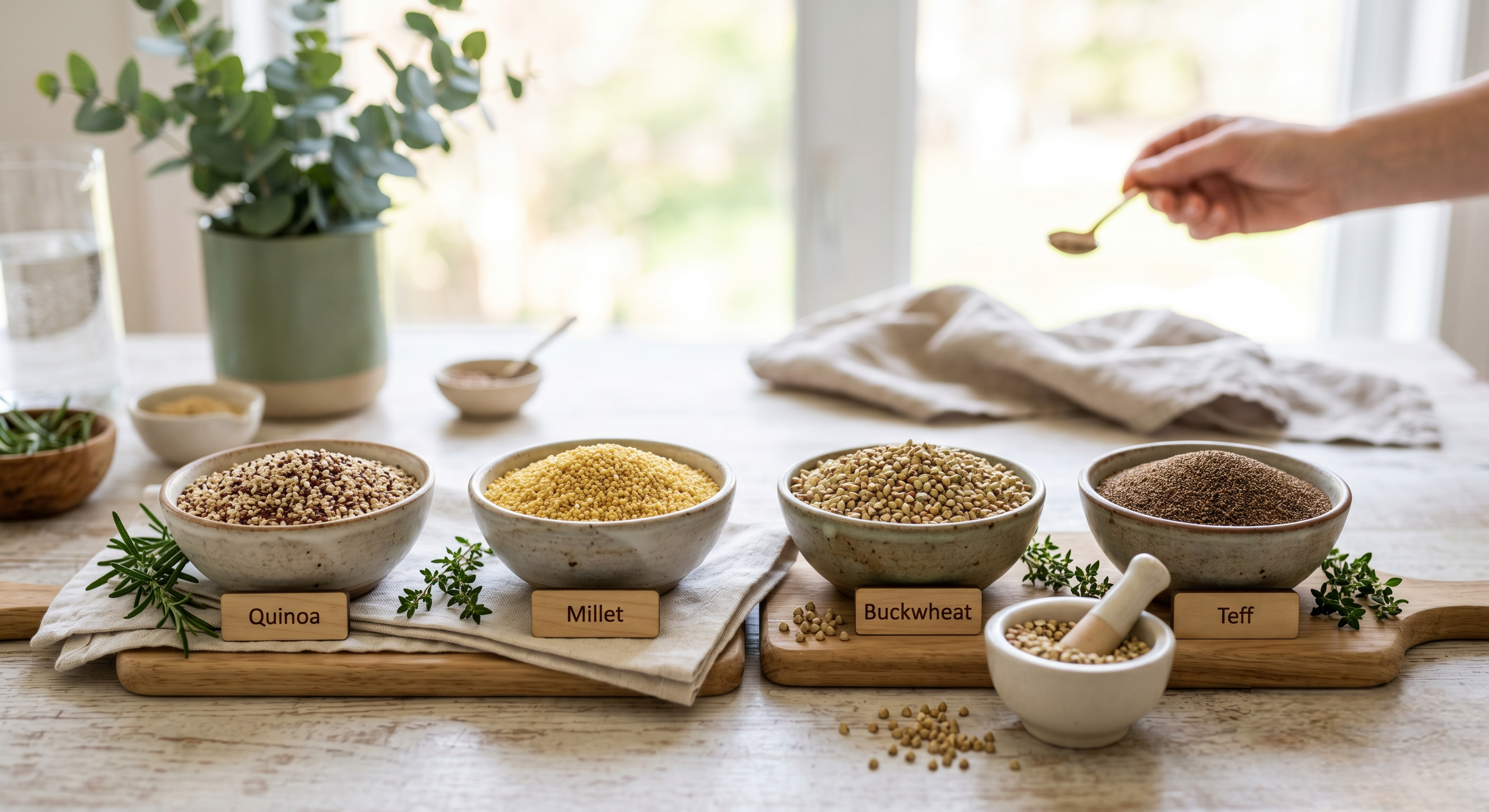
Rediscovering Ancient Grains: A Gluten-Free Pantry Revolution
For anyone navigating life with celiac disease or non-celiac gluten sensitivity, the grain aisle can feel like a minefield. Wheat, barley, and rye are off the table, and many "gluten-free" replacements rely heavily on refined rice flour and tapioca starch—nutritionally thin substitutes that often leave meals feeling incomplete. Fortunately, nature has provided a remarkable lineup of naturally gluten-free grains that predate modern wheat by thousands of years. Quinoa, millet, buckwheat, and teff are not just safe alternatives; they are nutritional powerhouses that can transform a restrictive diet into a vibrant, satisfying one.
According to the Celiac Disease Foundation (celiac.org), an estimated 1 in 100 people worldwide has celiac disease, and many more experience gluten sensitivity. The foundation emphasizes that a successful gluten-free diet should prioritize whole, naturally gluten-free grains over processed substitutes to maintain adequate intake of fiber, B vitamins, and minerals—nutrients that are often deficient in people newly diagnosed with celiac disease. Understanding these four ancient grains is the first step toward building a diet that heals rather than merely avoids harm.
Quinoa: The Complete Protein Powerhouse
Quinoa (pronounced KEEN-wah) is technically a pseudocereal—a seed from the Chenopodium quinoa plant, related to spinach and beets rather than true grasses. Originating in the Andean highlands of South America, quinoa has been cultivated for over 5,000 years and was considered sacred by the Incas. What sets it apart nutritionally is its status as a complete protein, containing all nine essential amino acids in significant quantities—a rarity among plant foods. A single cup of cooked quinoa delivers about 8 grams of protein, 5 grams of fiber, and substantial amounts of magnesium, iron, and folate.
Research published in PubMed indexed journals has confirmed quinoa's safety for individuals with celiac disease. A 2014 study in The American Journal of Gastroenterology found that adding 50 grams of quinoa daily to the diets of celiac patients was well-tolerated and even improved certain nutritional parameters, including cholesterol profiles. To prepare quinoa, always rinse it thoroughly under cold water before cooking to remove its natural saponin coating, which can taste bitter. Use a 2:1 ratio of water to quinoa, simmer for 15 minutes, and let it rest covered for 5 minutes for fluffy results. You can explore gluten-free recipes at GF Cooking for creative ways to incorporate quinoa into breakfast bowls, salads, and hearty dinners.
Practical Quinoa Tips
- Buy certified gluten-free quinoa to avoid cross-contamination from shared milling facilities
- Toast it dry in the pan for 2-3 minutes before adding water for a nuttier flavor
- Substitute it for rice in stuffed peppers, grain bowls, and pilafs for a protein boost
Millet: The Forgotten Workhorse
Millet is one of the oldest cultivated grains in human history, with archaeological evidence of its use dating back over 10,000 years in Asia and Africa. Despite being a staple food for an estimated one-third of the world's population, it remains underappreciated in Western kitchens, where it's often relegated to birdseed. This is a missed opportunity, because millet is mild, slightly sweet, and remarkably versatile. It can be cooked fluffy like rice, creamy like polenta, or ground into flour for baking. Nutritionally, millet provides magnesium, phosphorus, and manganese, along with antioxidants like ferulic acid and catechins.
The Mayo Clinic includes millet on its list of safe grains for those following a gluten-free diet, noting that whole grains like millet are essential for maintaining digestive health and preventing the constipation and nutrient deficiencies common in newly diagnosed celiac patients. Emerging research also suggests millet may help regulate blood sugar; a 2021 review in Frontiers in Nutrition examined 65 studies and found that regular millet consumption was associated with reductions in fasting and post-meal blood glucose levels, making it particularly valuable for people with celiac disease who also manage type 1 or type 2 diabetes.
Buckwheat: Not Wheat at All
Despite its misleading name, buckwheat is completely unrelated to wheat. It's a pseudocereal in the Polygonaceae family, more closely related to rhubarb and sorrel. Native to Central Asia and used extensively in Eastern European, Russian, and Japanese cuisines (think kasha, blini, and soba noodles), buckwheat has a robust, earthy flavor that pairs beautifully with savory dishes. It's exceptionally rich in rutin, a flavonoid linked to cardiovascular benefits, and contains high-quality protein with a favorable amino acid profile—particularly lysine, which is often limited in other grains.
The National Institute of Diabetes and Digestive and Kidney Diseases (NIDDK) identifies buckwheat as a safe and nutritious option for celiac patients, while emphasizing the critical importance of selecting products labeled "certified gluten-free." This caveat matters because buckwheat is frequently processed in facilities that also handle wheat, and Japanese soba noodles are a notorious source of hidden gluten—many commercial brands blend buckwheat flour with wheat flour to improve texture. Always read labels carefully and look for 100% buckwheat or certified gluten-free designations. For inspiration on how to use this versatile grain, explore gluten-free recipes at GF Cooking, where buckwheat appears in everything from pancakes to grain salads.
Teff: The Tiny Ethiopian Treasure
Teff is the smallest grain in the world—so small that it takes 150 grains to equal the weight of a single wheat kernel. This Ethiopian staple has been cultivated for over 4,000 years and is the foundation of injera, the spongy fermented flatbread central to Ethiopian and Eritrean cuisine. Because teff is so tiny, it's always consumed whole, meaning every serving delivers the full nutritional package: bran, germ, and endosperm. Teff is exceptionally high in iron (one cup of cooked teff provides about 30% of the daily recommended intake), calcium, and resistant starch, a type of fiber that feeds beneficial gut bacteria.
For people with celiac disease, who often struggle with iron-deficiency anemia due to damaged intestinal villi impairing absorption, teff's iron content is especially valuable. The grain has a mildly sweet, malty flavor that works well in porridges, baked goods, and as a thickener for stews. Teff flour can replace a portion of other gluten-free flours in pancakes, muffins, and quick breads, lending a moist crumb and rich color.
Cross-Contamination: The Hidden Risk
Even naturally gluten-free grains can become unsafe through cross-contamination during harvesting, transport, milling, or packaging. Studies cited by the Celiac Disease Foundation have found that a significant percentage of grains and flours not explicitly labeled gluten-free contain detectable levels of gluten, often above the 20 parts-per-million threshold considered safe. Always look for third-party certifications such as the GFCO (Gluten-Free Certification Organization) seal, store grains separately at home, use dedicated cookware when possible, and rinse all grains thoroughly before cooking.
Key Takeaways
- Variety matters: Rotating quinoa, millet, buckwheat, and teff into your diet provides a broader nutrient profile than relying on rice and corn alone
- Always buy certified gluten-free versions of these grains to eliminate cross-contamination risk, especially for buckwheat and oats
- Quinoa offers complete protein, making it ideal for plant-forward gluten-free meals, while teff delivers exceptional iron for those at risk of anemia
- Millet supports blood sugar regulation according to recent meta-analyses, a meaningful benefit for celiac patients with co-occurring metabolic concerns
- Whole grains heal: Replacing refined gluten-free starches with these ancient grains can correct fiber and micronutrient gaps common in the standard gluten-free diet


Comments
Post a Comment