Hidden Sources of Gluten in Processed Foods
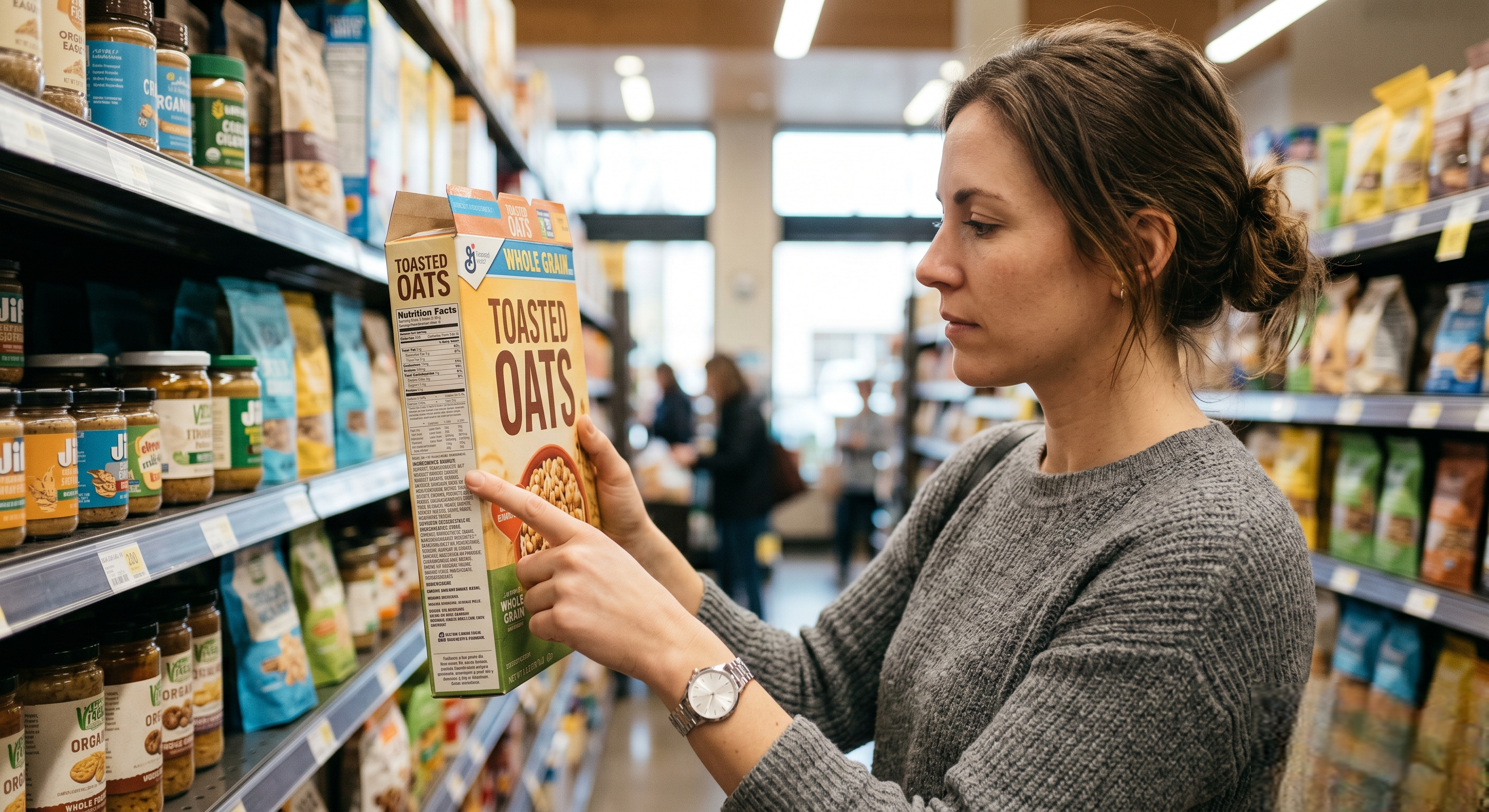
For anyone managing celiac disease or non-celiac gluten sensitivity, reading an ingredient label often feels like decoding a secret language. Even after years of practice, gluten can slip into your shopping cart through ingredients you would never suspect — modified food starches, malt-based flavorings, "natural" seasonings, and shared-equipment cross-contact. According to the Celiac Disease Foundation (celiac.org), an estimated 1 in 100 people worldwide have celiac disease, yet many continue to experience symptoms long after going gluten-free, often because of these hidden exposures. Understanding where gluten quietly hides in processed foods is one of the most powerful steps you can take to protect your gut, reduce inflammation, and feel genuinely well.
Why Hidden Gluten Matters More Than You Think
Even trace amounts of gluten — as little as 20 parts per million — can trigger an autoimmune response in people with celiac disease, according to research summarized by the Mayo Clinic. This is why the FDA set 20 ppm as the threshold for gluten-free labeling in the United States. A 2018 study published in Gastroenterology (PubMed ID: 29551356) found that the average person on a gluten-free diet still inadvertently consumes up to 200 mg of gluten per day, largely from processed foods and cross-contact. That's enough to cause villous atrophy in sensitive individuals, even without obvious symptoms. The takeaway is sobering but empowering: most accidental exposures aren't from cheating — they're from ingredients hiding in plain sight.
The National Institute of Diabetes and Digestive and Kidney Diseases (NIDDK) emphasizes that ongoing symptoms in patients adhering to a gluten-free diet are most often traced back to inadvertent exposure rather than dietary noncompliance. This means that learning to spot the sneaky sources matters far more than willpower. If you've been carefully avoiding bread and pasta but still feel bloated, foggy, or fatigued, the culprit is likely buried in a sauce, a seasoning blend, or a "healthy" snack bar.
The Most Common Hidden Sources of Gluten
1. Sauces, Soups, and Condiments
Soy sauce is the most notorious offender — traditional brewed soy sauce contains wheat as a primary fermentation ingredient. Teriyaki, hoisin, oyster sauce, and many salad dressings follow suit. Even seemingly innocent items like ketchup, malt vinegar, and Worcestershire sauce can contain gluten through malt extracts or thickening agents. Cream-based soups often use wheat flour as a roux, and bouillon cubes frequently include hydrolyzed wheat protein. Always look for tamari (a wheat-free alternative to soy sauce) and certified gluten-free condiments. For sauce inspiration that's safe from the start, you can explore gluten-free recipes at GF Cooking where every ingredient is verified celiac-safe.
2. Processed Meats and Deli Counter Items
Hot dogs, sausages, meatballs, deli slices, and even some bacon can contain wheat-based fillers, breadcrumbs, or modified food starches derived from wheat. Self-basting turkeys and pre-marinated meats are particularly risky during holidays. The Celiac Disease Foundation specifically warns that imitation crab, surimi, and seitan-based meat alternatives almost always contain wheat gluten. Cross-contact at the deli counter is another hidden danger — slicers used for both regular and gluten-free meats can transfer enough gluten to cause a reaction.
3. "Healthy" Snacks and Energy Bars
Granola, trail mix, protein bars, and even some yogurt cups contain wheat-based oats, malt syrup, or barley flour. Standard oats are also a problem: while oats are botanically gluten-free, they're typically grown and processed alongside wheat, leading to cross-contamination. Only oats labeled "certified gluten-free" or "purity protocol" are safe. Rice cereals, corn flakes, and puffed quinoa snacks frequently include malt flavoring derived from barley — a sneaky ingredient that flies under the radar of even seasoned label-readers.
4. Seasonings, Spice Blends, and Flavorings
Pre-mixed spice blends, taco seasoning packets, and "natural flavors" can all contain wheat as an anti-caking agent or carrier. Bouillon, gravy mixes, and dry rubs are common offenders. Flavored chips, especially "sour cream and onion" or "BBQ" varieties, frequently contain malt vinegar powder or wheat-derived seasonings. When in doubt, choose single-ingredient spices and build flavor from scratch — both your gut and your taste buds will thank you.
5. Beverages and Surprising Liquids
Beer is the obvious one, but malted milkshakes, certain flavored coffees, kombucha, and even some teas contain barley malt or wheat-based stabilizers. Communion wafers, cough syrups, and some prescription medications can also contain gluten as a binding agent. The Mayo Clinic recommends always asking your pharmacist about gluten content in medications, especially for long-term prescriptions.
Reading Labels Like a Pro
The FDA requires wheat to be declared in plain language on packaged foods sold in the U.S., but barley, rye, and malt do not fall under this rule — meaning a product can technically be "wheat-free" but still contain gluten. Watch for these red-flag terms: malt, malt extract, malt flavoring, malt vinegar, brewer's yeast, hydrolyzed wheat protein, modified food starch (unless specified as corn or potato), seitan, durum, semolina, kamut, spelt, einkorn, and triticale. Look for the Certified Gluten-Free seal from the Gluten-Free Certification Organization (GFCO), which tests to a stricter 10 ppm standard. A 2019 PubMed-indexed review in Nutrients (PMID: 30836679) found that certified products had significantly lower gluten contamination rates than products that simply self-labeled as gluten-free.
Practical Strategies for Safer Shopping
Build a personal "safe brands" list and stick to it — this dramatically reduces label-reading fatigue and decision exhaustion at the grocery store. Shop the perimeter of the store first, where whole foods like fresh produce, plain meats, and dairy live, then venture into the aisles armed with a plan. When trying a new product, snap a photo of the ingredient list so you can cross-reference at home. Apps like Find Me Gluten Free and the Spoonful app can scan barcodes and flag concerns instantly. For meal ideas that bypass these traps entirely, you can explore gluten-free recipes at GF Cooking — cooking from whole ingredients is often the simplest path to safety.
Finally, don't be afraid to contact manufacturers directly. Most companies have customer service lines specifically for allergen questions, and many will share their cross-contact protocols if asked. The two-minute phone call is far less expensive than a celiac flare-up. If you're newly diagnosed, the Celiac Disease Foundation offers free downloadable shopping guides and brand databases that can shorten your learning curve from years to weeks.
Key Takeaways
- Trace gluten matters: Even 20 ppm can damage the small intestine in celiac patients, and the average gluten-free dieter still consumes ~200 mg of hidden gluten daily.
- The biggest hiding spots are sauces, processed meats, seasoning blends, "healthy" snacks, and oats — not just obvious wheat products.
- Watch for malt, hydrolyzed wheat protein, modified food starch, and natural flavors — these are the most commonly missed red-flag ingredients.
- Choose certified gluten-free whenever possible; GFCO-certified products test to 10 ppm versus the FDA's 20 ppm standard.
- When in doubt, cook from scratch using whole ingredients — it's the most reliable way to control what enters your body and your gut's healing process.


Comments
Post a Comment