Building a Gluten-Free Pantry from Scratch
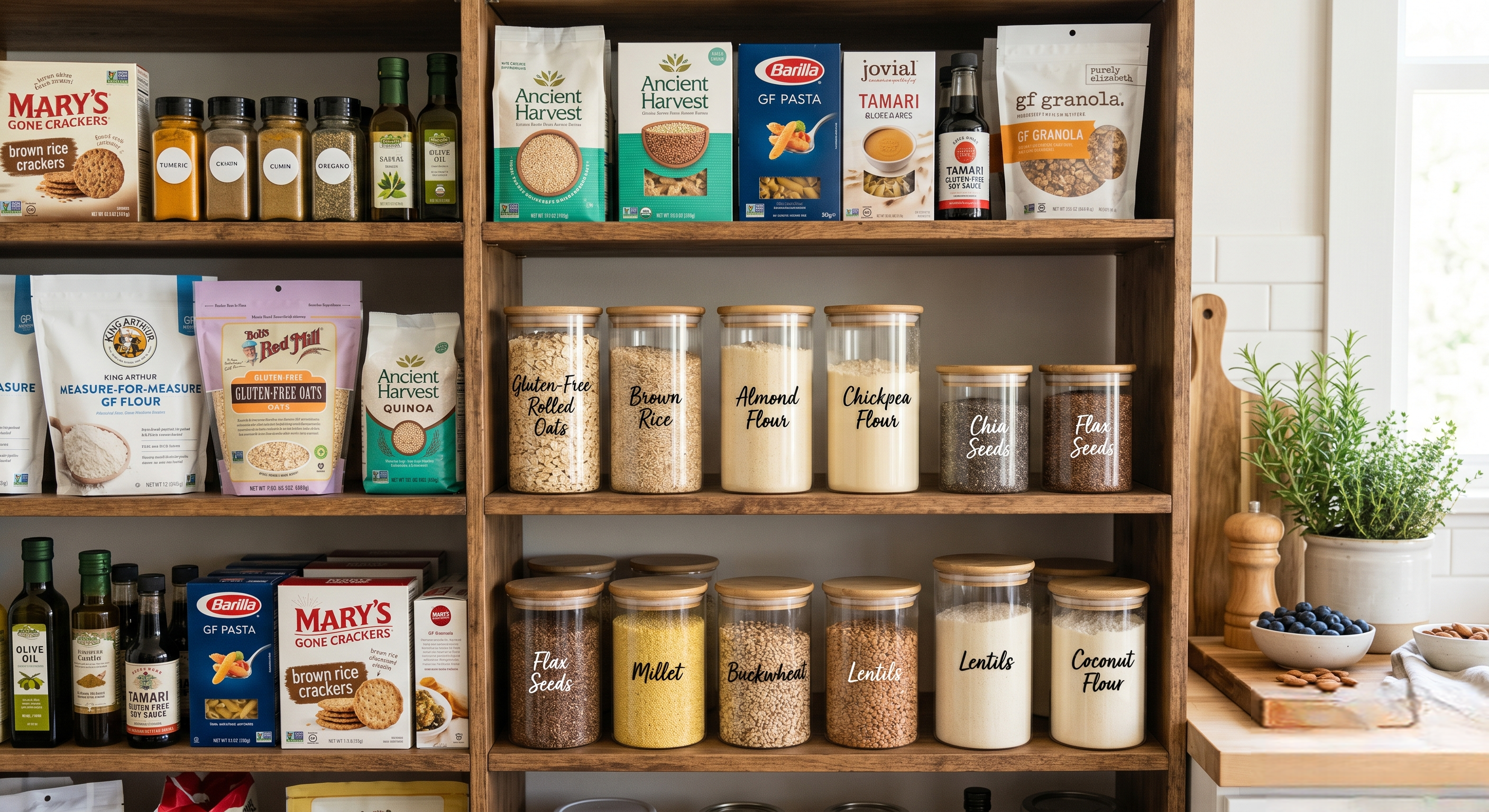
Walking into a kitchen after a celiac diagnosis can feel like standing in a minefield. The flour canister, the soy sauce bottle, the wooden cutting board scarred by years of crusty bread — every familiar tool suddenly carries risk. Building a gluten-free pantry from scratch is not just about swapping ingredients; it is about constructing a safe foundation that protects your villi from the cumulative damage that even trace gluten can cause. According to the Celiac Disease Foundation (celiac.org), as little as 20 parts per million of gluten can trigger an immune response in people with celiac disease, which makes pantry design a genuinely medical decision rather than a culinary preference.
The good news is that a well-built gluten-free pantry is not more expensive or more complicated than a conventional one — it just requires intention. Once you understand which categories of food carry hidden gluten, which staples become your new workhorses, and how to prevent cross-contact in your storage spaces, the day-to-day rhythm of cooking becomes calm again. This guide walks through the entire process: the science behind why purity matters, the specific products to stock, the equipment to replace, and the habits that keep your pantry safe for years to come.
Why a Dedicated Gluten-Free Pantry Matters
Celiac disease is an autoimmune condition in which gluten — a protein found in wheat, barley, and rye — triggers the immune system to attack the lining of the small intestine. Research summarized by the National Institute of Diabetes and Digestive and Kidney Diseases (NIDDK) shows that ongoing villous atrophy, even from accidental exposures, is associated with nutrient malabsorption, anemia, osteoporosis, and an elevated long-term risk of intestinal lymphoma. A 2018 study published in The American Journal of Clinical Nutrition (PubMed ID: 29562030) found that roughly one in three people with celiac disease who follow a gluten-free diet still consume enough hidden gluten to cause measurable intestinal damage. The pantry is the most common source of that hidden exposure.
Cross-contact — when a gluten-free food touches a surface, utensil, or container that previously held gluten — is the silent saboteur. The Mayo Clinic notes that flour particles can remain airborne in a kitchen for up to 24 hours after baking and can settle invisibly on open containers, dish towels, and exposed produce. This is why building a pantry from scratch, rather than retrofitting an existing one, is often the most reliable approach for newly diagnosed individuals. A clean slate eliminates the guesswork about which jar of oats was scooped with which spoon.
Step One: Clear and Clean the Space
Before any new product enters your home, empty the pantry completely. Wipe every shelf with hot soapy water, paying special attention to corners where flour dust accumulates. Replace shelf liners if they are porous or stained. If your household will remain mixed (some members eating gluten), designate a separate cabinet — ideally above counter height so falling crumbs from gluten-containing items above cannot contaminate your safe foods. Label this zone clearly with colored tape or a sign; visual cues prevent the well-meaning roommate or visiting relative from grabbing the wrong jar.
Equipment to Replace, Not Just Wash
- Wooden cutting boards, spoons, and rolling pins — porous surfaces trap gluten in microscopic grooves
- Scratched non-stick pans and cast iron previously seasoned with gluten oils
- Toasters — the single most common cross-contact source in any kitchen
- Colanders with fine mesh, where pasta starch is nearly impossible to fully remove
- Stand mixer attachments and bread machine pans with persistent flour residue
Stainless steel, glass, and silicone tools can be thoroughly cleaned and reused. When in doubt, replace — a new $8 cutting board is cheaper than a flare that costs you a week of recovery.
Step Two: Stock the Foundational Staples
A working gluten-free pantry rests on roughly thirty core ingredients that cover baking, weeknight dinners, soups, and snacks. Buying these in one focused trip saves money and ensures you always have something safe to cook.
Flours and Starches
- Certified gluten-free oat flour and rolled oats (look for the GFCO certification mark)
- Brown rice flour, sorghum flour, and almond flour for baking blends
- Tapioca starch and potato starch for binding and crispness
- A trusted 1-to-1 gluten-free flour blend (King Arthur Measure for Measure and Bob's Red Mill 1-to-1 are reliably certified)
- Xanthan gum or psyllium husk for structure in baked goods
Grains, Pasta, and Breads
- Quinoa, millet, buckwheat groats (yes, despite the name, buckwheat is gluten-free), and certified gluten-free oats
- Brown rice and jasmine rice in sealed containers
- Corn or rice pasta from dedicated facilities (Jovial, Tinkyada, Barilla GF)
- Frozen gluten-free bread — store in the freezer to extend shelf life and toast directly from frozen
Condiments and Sauces (The Hidden-Gluten Hot Zone)
- Tamari instead of soy sauce (most soy sauce contains wheat)
- Certified gluten-free oats and oat-based products
- Worcestershire sauce, malt vinegar, and seitan — avoid entirely
- Check labels on broth, bouillon, salad dressings, and seasoning blends — wheat is a common thickener
For inspiration on putting these staples to work, you can explore gluten-free recipes at GF Cooking, which organizes meals by ingredient so you can build a weekly menu from what you already have on hand.
Step Three: Read Labels Like a Pro
In the United States, the FDA requires that any product labeled "gluten-free" contain less than 20 ppm of gluten, but this label is voluntary. Many naturally gluten-free foods — like plain rice or beans — may still be processed in shared facilities. Look for third-party certifications such as the Gluten-Free Certification Organization (GFCO) seal, which requires testing at 10 ppm or below, or the Certified Gluten-Free mark from the Celiac Support Association, which tests at 5 ppm. The Celiac Disease Foundation recommends prioritizing certified products for any food eaten daily, since cumulative low-level exposure is what most often drives ongoing symptoms.
Watch for these stealth ingredients that signal gluten: malt extract, malt vinegar, brewer's yeast, hydrolyzed wheat protein, modified food starch (unless specified gluten-free), seitan, and dextrin from wheat. When a label says "natural flavors" on a processed item, contact the manufacturer if you are sensitive — reputable companies will confirm the source within a business day.
Step Four: Build Habits That Protect the Pantry
A safe pantry stays safe only with consistent practices. Use squeeze bottles instead of jars for honey and nut butters to eliminate double-dipping with crumb-laden knives. Store flours in sealed glass or BPA-free plastic containers with the original label taped to the lid for ingredient verification. Keep a dedicated set of measuring cups and spoons that never leave the gluten-free zone. If you live with gluten-eaters, assign each person their own butter and condiments — a single buttered toast knife dipped back into the jar is enough to cause symptoms.
Key Takeaways
- Start with a clean slate: empty, scrub, and re-line your pantry before introducing new gluten-free products to eliminate residual flour dust and cross-contact risk.
- Replace porous equipment: wooden tools, scratched pans, and shared toasters are the most common hidden sources of gluten exposure, even in careful households.
- Prioritize certified products: GFCO and Certified Gluten-Free seals test at stricter thresholds than the FDA's 20 ppm minimum, which matters for daily staples.
- Watch the condiment shelf: soy sauce, Worcestershire, malt vinegar, and bouillon cubes are the most-overlooked gluten sources in an otherwise safe kitchen.
- Build habits, not just inventory: dedicated utensils, sealed containers, labeled zones, and squeeze bottles turn a one-time pantry overhaul into lasting protection for your gut.


Comments
Post a Comment